
Living heritage
Nagaland: a tapestry of tribes, festivals, music, and craft.
17 major tribes, distinct languages, and celebrations that light up the calendar — all connected by hospitality and song.
Language & lore
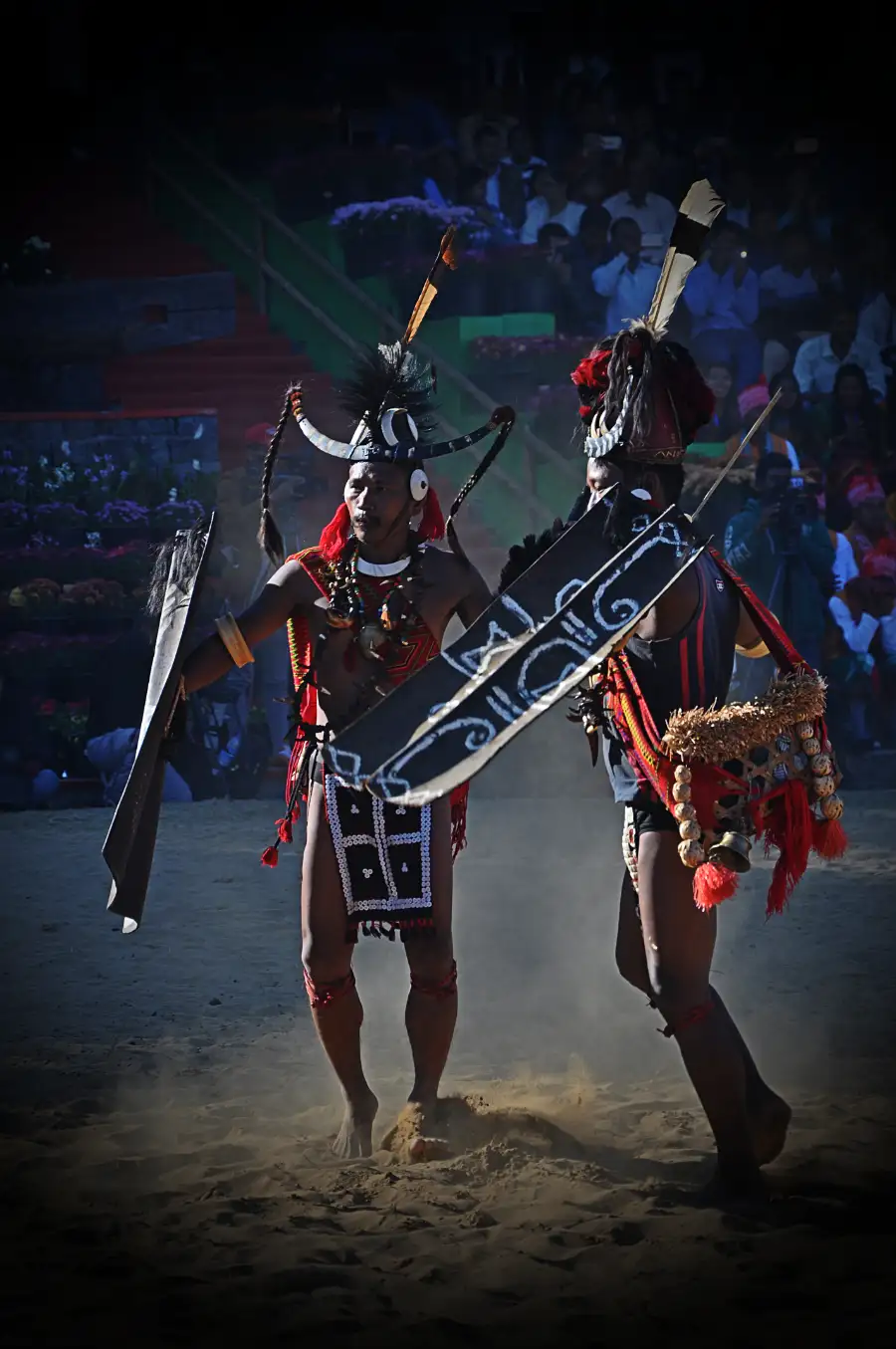
Every tribe carries its own tongue; even neighboring villages bend a dialect into a new note. Oral history travels through song, fables, and the beat of log drums — keeping identity vivid.
What to listen for
- Warrior ballads and harvest chants that mark seasons.
- Gospel harmonies blending tradition with choir arrangements.
- Modern indie and folk-fusion from emerging Naga artists.
Traditional attire highlights
Headdress craft
Bamboo weave, hornbill feathers, boar tusks, orchid stems.
Textile motifs
Geometric patterns that map clan, valley, and story.
Evolving fashion
Young designers blending heritage cloth with contemporary cuts.
Festival calendar
Season by season
Sekrenyi
Harvests, gratitude, and community feasts define this celebration.
Moatsu
Harvests, gratitude, and community feasts define this celebration.
Sökrönye
Harvests, gratitude, and community feasts define this celebration.
Naknyulüm
Harvests, gratitude, and community feasts define this celebration.
Aoleang
Harvests, gratitude, and community feasts define this celebration.
Tuluni
Harvests, gratitude, and community feasts define this celebration.
Tokhu Emong
Harvests, gratitude, and community feasts define this celebration.
Yemshe
Harvests, gratitude, and community feasts define this celebration.
Crafts & cuisine
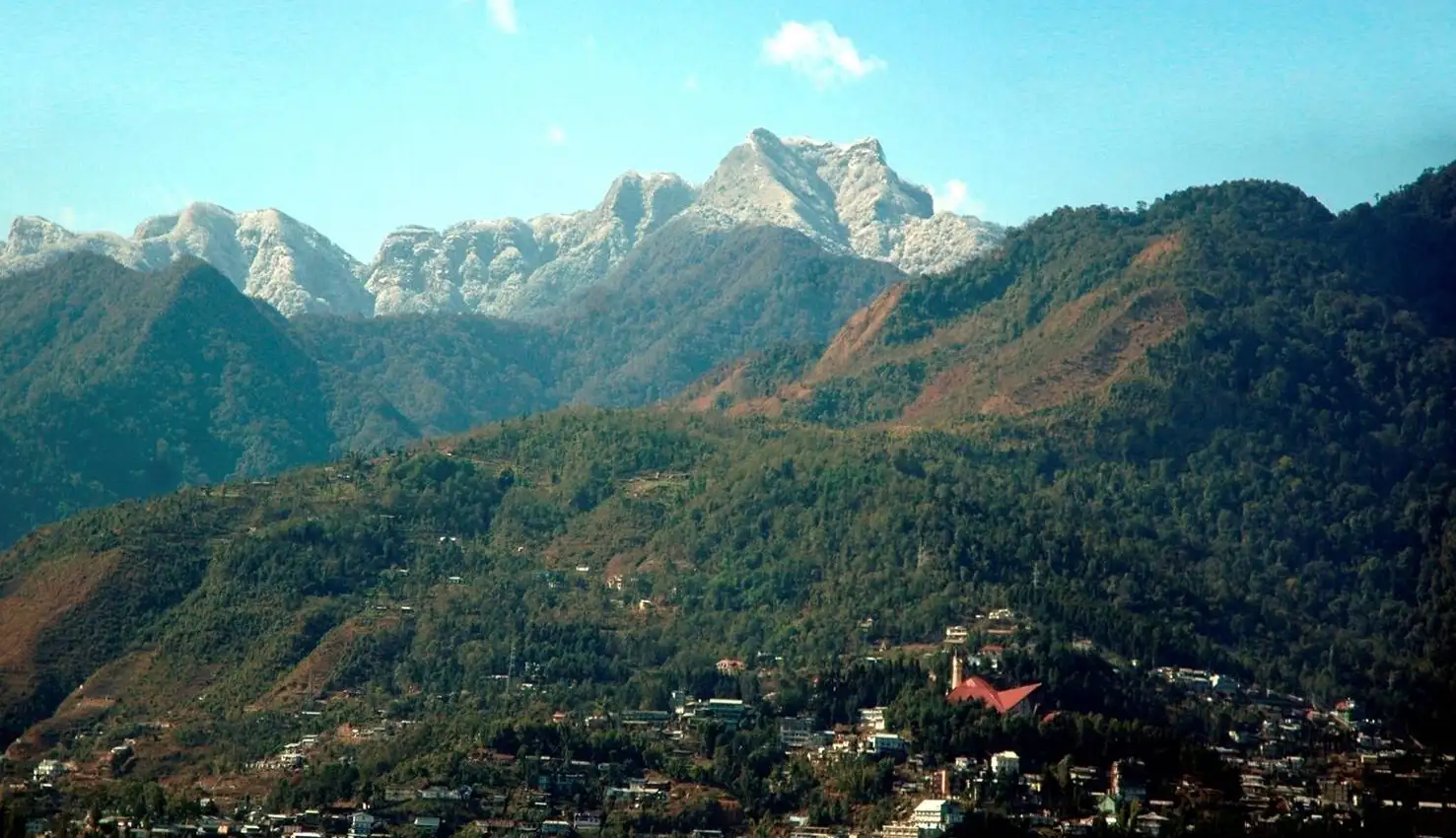
Bamboo, cane, and beads shape daily objects and ceremonial art. Kitchens brim with bamboo shoot, axone (fermented soybean), smoked meats, and foraged greens.
Handwoven textiles
Market lanes of Kohima, Dimapur, Mon.
Flavors to try
Smoked pork with axone, bamboo shoot chutneys.
Market days
Experience barter, beadwork, and fresh produce.
Community stays
Village homestays to learn cooking and crafts.